
Organizers: Nabiyeva D.A., Sagatova D.R., Pulatova Sh.B., Sultanova M.X., Shomuhitdinov Sh.Sh.
Participants: Professors Rizamukhamedova M.Z., Agzamova G.S.; Associate Professors Matchanov S.X., Djurayeva E.R., Abduazizova N.X., Mukhammadiyeva S.M., Sultanova M.X., Midasov M.M., Khidoyatova M.R., Kenjaboyev D.K., Bekenova G.T., Pulatova Sh.B., Sagatova D.R., Abdiyeva Y.A.; Senior Lecturers Ziyayeva F.K., Tashmukhamedova Sh.K.; Assistants Berdiyeva D.U., G‘aniyeva N.A., Toshpulatova M.M., Shiranova Sh.A., Ibragimova N.U., Isroilov A.A., Shomuhitdinov Sh.Sh., Mamasidiqova S.B.; Master’s and 4th-year medical students.
Agenda: February 9 – Event dedicated to the birthday of the great Uzbek poet and statesman Alisher Navoi.
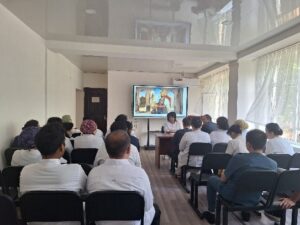
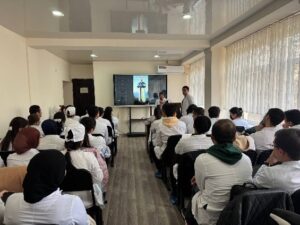
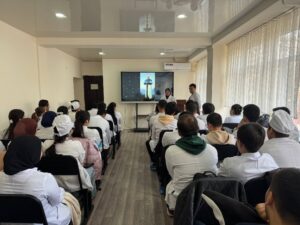
The event was opened by Department Head Nabiyeva D.A. Then the floor was given to Associate Professors Pulatova Sh.B., Sagatova D.R., and Assistant Shomuhitdinov Sh.Sh., who spoke about Alisher Navoi.
About Alisher Navoi (1441–1501): A great poet, thinker, and statesman. Full name: Nizomiddin Mir Alisher. He wrote in Chagatai (Old Uzbek) and Persian, becoming a leading figure in Uzbek literature. Among Turkic peoples, he remains unparalleled.
Navoi was friends from childhood with Husayn Bayqaro (1469–1506), the future ruler of Khorasan. He started writing poetry at age 10–12. Historian Khondamir notes that poet Lutfi recognized Navoi’s talent as a boy.
Navoi traveled across Muslim lands, meeting prominent figures, and developed his poetic skill. By 1464–1465, his first divans were compiled, showing his early fame. Due to internal conflicts, he temporarily left his hometown Herat.
In 1469, Husayn Bayqaro became ruler of Herat. Navoi was appointed state secretary and later minister, playing a major role in the country’s cultural and scientific development. He built madrasas, mosques, caravanserais, bridges, and Sufi lodges. Despite political intrigues, he remained influential, later serving in the sultan’s court.
Literary Contributions: Navoi authored six epic poems with nearly 60,000 lines. Between 1483–1485, he created the Khamsa: Hayrat ul-Abror, Farhod and Shirin, Layli and Majnun, Sab’ai sayyor, Saddi Iskandariy.
Throughout his life, he combined literature with politics, contributing to social, cultural, and scientific progress while promoting peace. His works remain influential in Uzbek literature from the 15th century to today.